For high‑school seniors aiming to cover tuition without taking on debt, merit‑based scholarships are the most direct route; they reward academic excellence, leadership, and talent rather than financial need. In 2026, more than $3 billion in merit awards were distributed across the United States, and the application process has become more data‑driven, requiring precise GPA calculations, test‑score verification, and strategic presentation of extracurricular achievements. Understanding the key eligibility factors and leveraging proven application tactics—such as the step‑by‑step guide on how to apply for scholarships online in the USA—can dramatically increase your chances of securing full funding.
What Makes a Merit‑Based Scholarship Different?
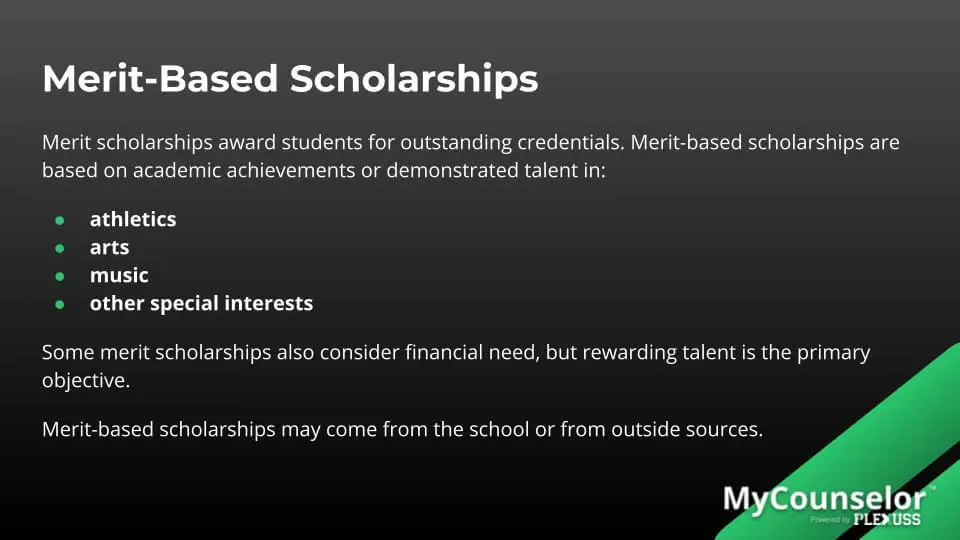
Unlike need‑based aid, merit scholarships are awarded solely on the basis of a student’s demonstrated accomplishments. This includes a high GPA, standout SAT/ACT scores, leadership roles, community service, and sometimes unique talents in arts or athletics. Because the selection criteria focus on achievement, the competition can be intense, but the payoff is often larger award amounts, sometimes covering the entire cost of attendance.
Key LSI concepts that shape merit awards
- College tuition assistance programs that prioritize academic merit.
- Scholarship application tips that streamline the submission process.
- National scholarship programs that recognize high school GPA requirements.
- Academic merit awards that are renewable each year based on performance.
- High‑school senior scholarship deadlines that align with college admission timelines.
Top National Merit‑Based Scholarships for 2026

Below is a snapshot of the most competitive and well‑funded programs available to U.S. seniors. All figures reflect the 2026 award cycle, as reported by the National Association of Student Financial Aid Administrators (NASFAA) and the College Board.
Table of Contents
- What Makes a Merit‑Based Scholarship Different?
- Key LSI concepts that shape merit awards
- Top National Merit‑Based Scholarships for 2026
- 1. National Merit Scholarship Program
- 2. Coca‑Cola Scholars Program
- 3. Gates Millennium Scholars (Renewable)
- 4. Dell Scholars Program
- 5. State‑Specific Awards
- Eligibility Checklist: Do You Qualify?
- Step‑by‑Step Application Process (2026 Edition)
- 1. Research Early (July – August)
- 2. Prepare Core Documents (August – September)
- 3. Tailor Applications (September – October)
- 4. Submit Early (Mid‑October)
- 5. Follow Up (November – December)
- Financial Impact: How Much Can Merit Aid Cover?
- Common Mistakes and How to Avoid Them
- Success Stories: Real‑World Examples
- FAQ – Quick Answers for High‑School Seniors
- What is the earliest I can start applying for merit scholarships?
- Do I need to reapply each year?
- Can I apply for both need‑based and merit‑based aid?
- Are there merit scholarships for students with average GPAs?
- How do I make my recommendation letters stand out?
- Next Steps: Turn Research into Funding
1. National Merit Scholarship Program
Managed by the National Merit Scholarship Corporation (NMSC), this program awards up to $2,500 per year to finalists who score in the top 1 % on the PSAT/NMSQT. In 2026, over 15,000 finalists received scholarships, with a total disbursement of $38 million.
2. Coca‑Cola Scholars Program
Targeting community‑engaged leaders, the Coca‑Cola Scholars award up to $20,000 in tuition assistance. The 2026 cohort included 150 scholars, each selected for a combination of GPA (minimum 3.5), volunteer hours, and leadership essays.
3. Gates Millennium Scholars (Renewable)
Although originally need‑based, the Gates program now offers a merit component for seniors with a GPA of 3.8 or higher and SAT scores above 1450. Recipients receive a renewable award covering full tuition, room, and board for up to four years.
4. Dell Scholars Program
Focused on students who have overcome adversity, Dell Scholars grants $20,000 plus a laptop and ongoing mentorship. The program requires a minimum GPA of 3.0 and a compelling personal essay that highlights resilience.
5. State‑Specific Awards
Many states operate merit programs tied to high‑school performance, such as the Texas Scholars Program (up to $10,000) and the California Dream Act (merit‑based tuition waivers for qualifying seniors). Check your state education department’s website for the most up‑to‑date deadlines.
Eligibility Checklist: Do You Qualify?
To determine whether you’re a strong candidate, run through this concise checklist. Missing any of these elements can significantly lower your odds.
- GPA: Most national scholarships set a minimum of 3.5 on a 4.0 scale. Some elite awards, like the Gates Millennium Scholars, demand 3.8 or higher.
- Standardized Test Scores: SAT ≥ 1400 or ACT ≥ 31 typically meets the threshold for competitive merit awards.
- Leadership & Service: Document at least 100 hours of community service and hold a formal leadership position (e.g., club president, team captain).
- Extracurricular Excellence: National or state-level recognition in sports, arts, or STEM competitions adds weight.
- Application Materials: Well‑crafted personal statements, recommendation letters, and a polished résumé.
Step‑by‑Step Application Process (2026 Edition)
Following a systematic approach reduces errors and saves time. Below is an actionable timeline aligned with the typical college admission calendar.
1. Research Early (July – August)
Compile a spreadsheet of scholarships, noting eligibility, deadline, award amount, and required documents. Use reliable sources like Federal Student Aid and the College Board’s BigFuture scholarship search.
2. Prepare Core Documents (August – September)
- Transcripts: Request official high‑school transcripts early to avoid processing delays.
- Test Scores: Verify that your SAT/ACT scores are sent directly to the scholarship portal.
- Essay Drafts: Write a master personal statement that can be customized for each application. Highlight your academic merit, leadership, and future goals.
- Recommendation Letters: Ask teachers, counselors, or mentors at least six weeks before the deadline. Provide them with a brief on your achievements and the scholarship’s focus.
3. Tailor Applications (September – October)
For each scholarship, adjust your essay to address the specific prompt and align your achievements with the award’s mission. Use the no‑essay scholarships guide to identify opportunities where a concise narrative may suffice.
4. Submit Early (Mid‑October)
Many merit scholarships use rolling admissions. Submitting before the deadline improves visibility and may give you a chance to correct any technical glitches.
5. Follow Up (November – December)
After submission, confirm receipt via email or portal status. Some programs require supplemental materials, such as portfolios or video interviews, which should be uploaded promptly.
Financial Impact: How Much Can Merit Aid Cover?
According to the 2026 College Board “Trends in Higher Education” report, the average merit scholarship for a senior at a four‑year institution covered 45 % of total tuition costs, with elite awards covering up to 100 %. For example, a student at a private university with an average tuition of $55,000 could receive a full‑ride merit scholarship worth $55,000, eliminating the need for federal loans.
Common Mistakes and How to Avoid Them
- Missing Deadlines: Set calendar reminders three weeks before each due date.
- Generic Essays: Tailor every essay; a one‑size‑fits‑all approach signals low effort.
- Overlooking Small Awards: Local community foundations often provide $1,000–$5,000 awards that add up.
- Neglecting Proofreading: Typos in personal statements or recommendation letters can be interpreted as carelessness.
- Not Updating Transcripts: If you improve your GPA after the application, request an updated transcript before the award decision date.
Success Stories: Real‑World Examples
Emily Rivera, a senior from Austin, Texas, leveraged a 3.96 GPA and 150 hours of volunteer tutoring to win the Coca‑Cola Scholars award in 2026. She credits her success to early planning and using the online scholarship application strategies outlined in our guide. Similarly, Jamal Thompson, a first‑generation student, combined his 3.9 GPA with a national robotics competition win to secure the National Merit Scholarship and a full‑ride from the Gates Millennium Scholars program.
FAQ – Quick Answers for High‑School Seniors
What is the earliest I can start applying for merit scholarships?
Most programs open their application portals in July. Begin researching and gathering documents in early summer.
Do I need to reapply each year?
Many merit scholarships are renewable; you’ll need to maintain a minimum GPA (often 3.0–3.5) and submit a yearly progress report.
Can I apply for both need‑based and merit‑based aid?
Yes. Submitting the FAFSA does not disqualify you from merit awards, and many colleges consider both when constructing your financial aid package.
Are there merit scholarships for students with average GPAs?
Some programs, like the no‑essay scholarships, focus more on leadership and community impact, allowing students with GPAs as low as 3.0 to compete.
How do I make my recommendation letters stand out?
Provide your recommenders with a concise bullet list of achievements and a brief about the scholarship’s focus. This helps them write targeted, compelling letters.
Next Steps: Turn Research into Funding
Start by creating a master spreadsheet of at least 15 merit‑based scholarships that match your GPA and extracurricular profile. Use the checklist above to verify you have all required documents, then schedule weekly writing sessions to polish each essay. Remember, the most successful applicants treat the process like a college admission campaign: they plan early, personalize every component, and follow up diligently.
By combining a strategic timeline, thorough documentation, and the proven tips from our internal resources—especially the first‑generation college scholarships guide—you’ll maximize your odds of turning academic merit into a tuition‑free college experience.